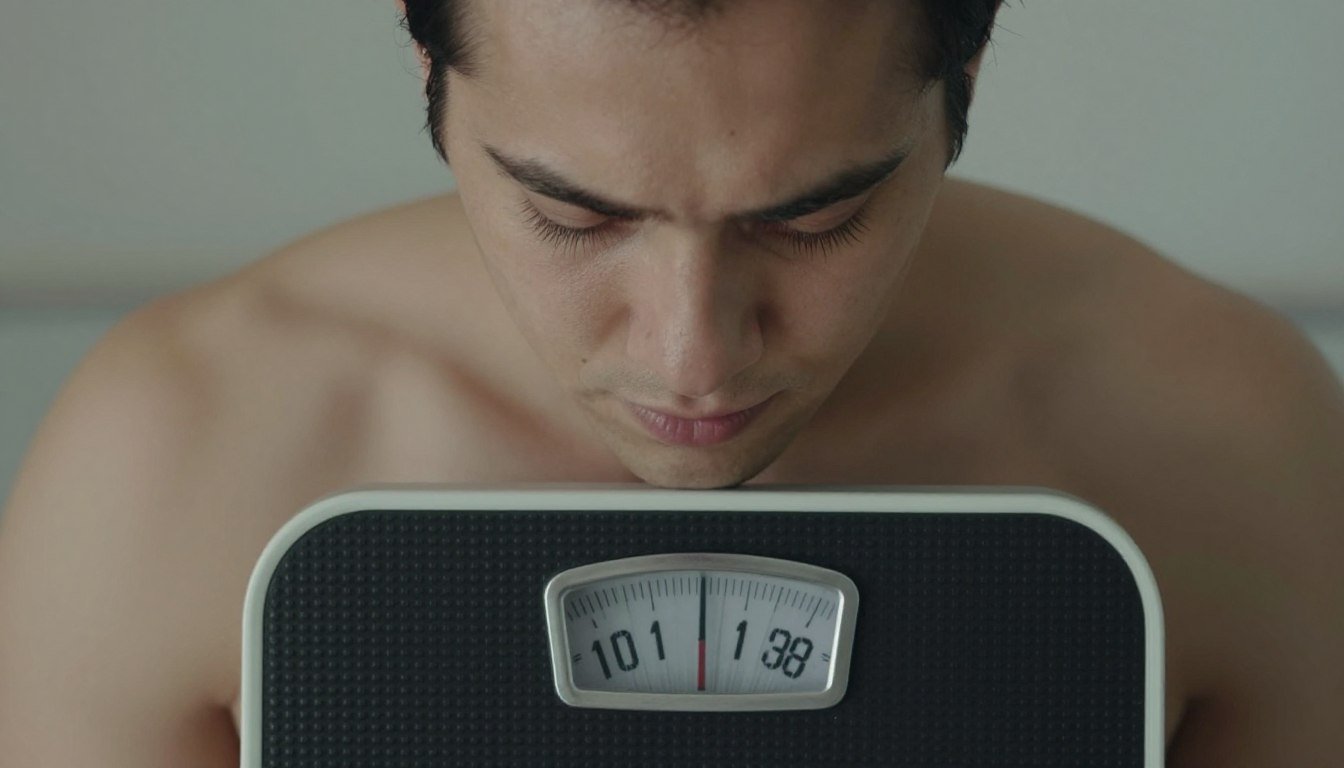
Every morning, millions of people step onto a bathroom scale and allow a single number to determine their mood, their self-esteem, and their sense of worth for the entire day. The number flashes, and in that moment, many feel a wave of judgment wash over them – about their discipline, their attractiveness, their value as a human being.
If you’re one of these people, you are not alone. The silent equation that weight equals worth has been programmed into so many of us, creating a painful cycle where our bodies become battlegrounds rather than homes. There is nothing broken about you for feeling this way – you’ve simply absorbed a message that was never true to begin with.
The Weight-Worth Equation: How Did We Get Here?
At seven years old, many of us had already learned that our bodies were somehow wrong. Diet culture taught us that being thin was the key to success, happiness, and acceptance. This message didn’t come from nowhere – it’s been carefully cultivated by industries that profit from our insecurities.
The equation is simple but devastating: Thin = worthy. Thin = lovable. Thin = successful. Thin = disciplined. And by extension: Not thin = unworthy, unlovable, unsuccessful, undisciplined.
Many people quietly struggle with this equation every day. It dictates what they eat, how they move, what clothes they buy, and how they speak to themselves in the mirror. It becomes the lens through which they view every accomplishment and setback.

Reflection Point
Take a moment to consider: When did you first learn that your weight was connected to your worth? Was it from family, friends, media, or somewhere else? Understanding the source can help loosen its grip.
Challenging the Inner Equation
Our minds form these distorted equations through years of exposure to cultural messages, personal experiences, and sometimes trauma. These beliefs become so ingrained that we rarely question them. But they are beliefs, not facts – and beliefs can be examined and changed.
When the thought arises that your worth is tied to your weight, try asking yourself these questions:
What evidence supports this belief?
Often, we’ll find that the “evidence” is circular – we feel bad about ourselves when we gain weight because we believe weight gain is bad, not because there’s actual evidence that our value has changed.
Does this belief help or harm my life?
Consider how much mental energy, time, and emotional wellbeing you sacrifice to this equation. What could you do with that energy if it were freed up for other pursuits, relationships, or dreams?

Would I judge someone I love this way?
Most of us would never tell a friend or loved one that their worth depends on their weight. We recognize the inherent value in others regardless of body size. This disconnect reveals the unfairness of how we treat ourselves.
The “ideal weight” that many of us strive for is often arbitrary and not based on individual health needs. It’s a standard constructed by fashion, media, and sometimes medical establishments that haven’t always considered the diversity of human bodies.
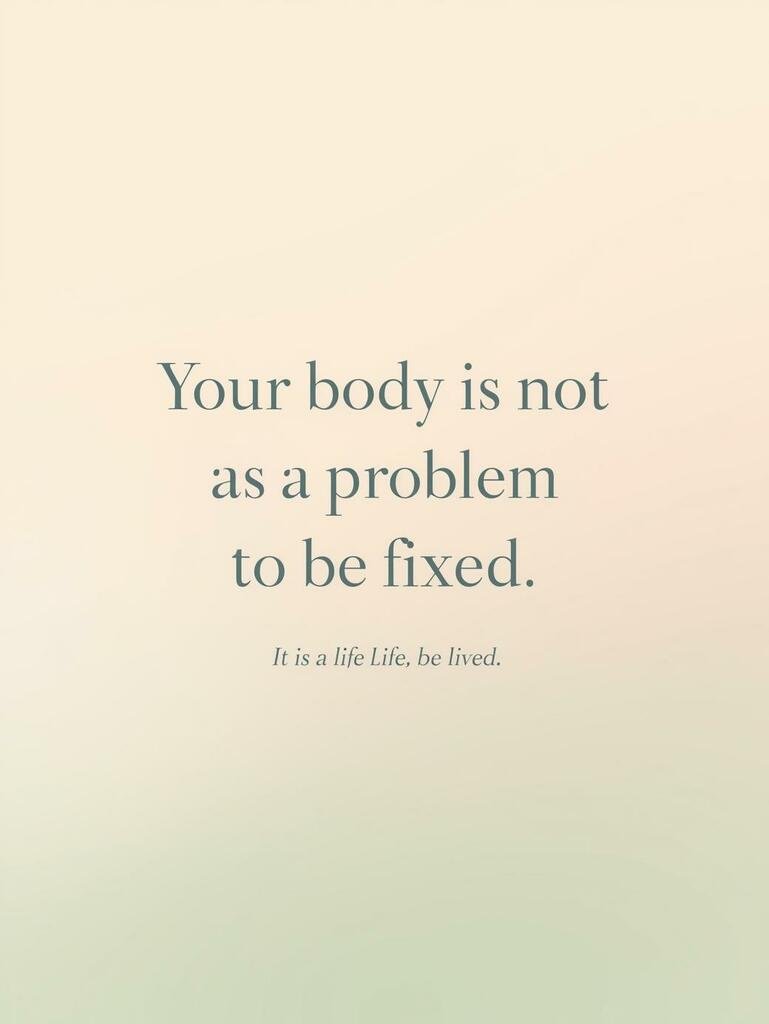
“Your body is not a problem to be solved. Your worth is not a number to be calculated.”
Reframing Your Inner Dialogue
The voice in our heads that criticizes our bodies is often harsh, unforgiving, and speaks in absolutes. Learning to recognize this voice as separate from our true selves is the first step in changing the conversation.
From Shame to Understanding
When you notice shame arising about your body or eating habits, try to meet it with curiosity instead of judgment. Ask: “What is this feeling trying to tell me? What do I really need right now?”

From Punishment to Partnership
Instead of treating your body as something to be controlled and disciplined, consider what it might be like to work with your body as an ally. What would change if you approached eating and movement as acts of care rather than control?

From Control to Care
Many of us use rigid control around food and exercise as a way to feel safe in an unpredictable world. But true safety comes from learning to trust ourselves and our bodies, not from external rules and restrictions.
How does harsh inner dialogue sound?
“I’m so disgusting. I have no self-control. Everyone must notice how fat I am. I’ll never be good enough unless I lose weight.”
How can I transform this into compassionate inner dialogue?
“I notice I’m feeling uncomfortable in my body today. That’s a difficult feeling, and many people experience it. My worth isn’t determined by my appearance. What would feel supportive right now?”
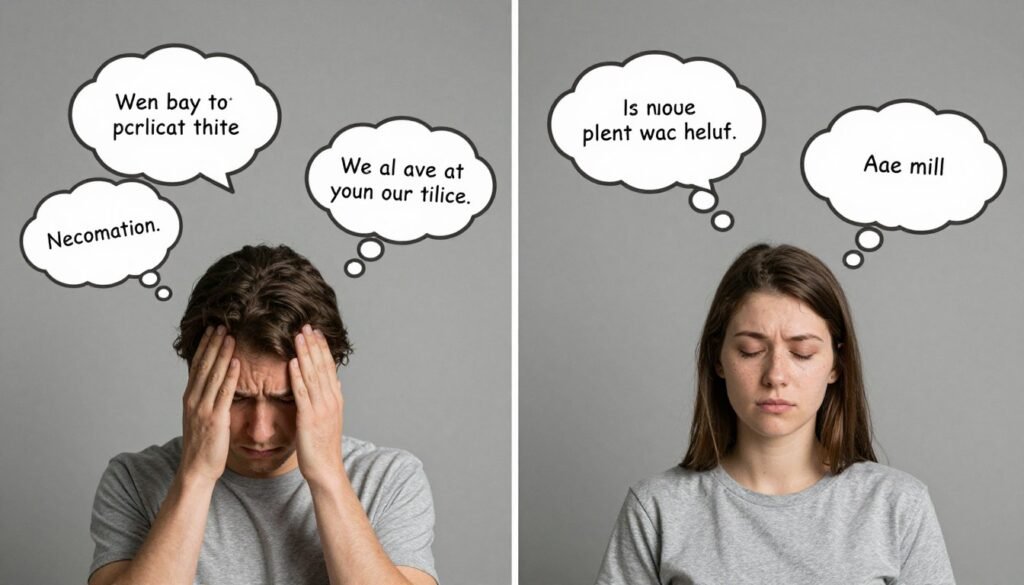
Practice: Compassionate Mirror Moment
The next time you look in the mirror and critical thoughts arise, place a hand on your heart and speak to yourself as you would to a dear friend who was suffering. What words of kindness could you offer?
Shifting Focus: From Appearance to Function & Life Capacity
When we fixate on how our bodies look, we miss the miracle of what they do. Your body is not merely an ornament to be judged – it is the instrument through which you experience your entire life.
Strength & Capability
Your body allows you to hug loved ones, carry groceries, dance to your favorite song, and navigate the physical world. These capabilities exist regardless of weight or size.

Sensory Experience
Through your body, you experience the pleasure of a warm shower, the taste of your favorite food, the comfort of soft sheets, and the beauty of a sunset. These experiences are your birthright.

Connection & Expression
Your body enables you to communicate, create, and connect with others. It allows you to express love, share ideas, and participate in community – none of which depends on your weight.

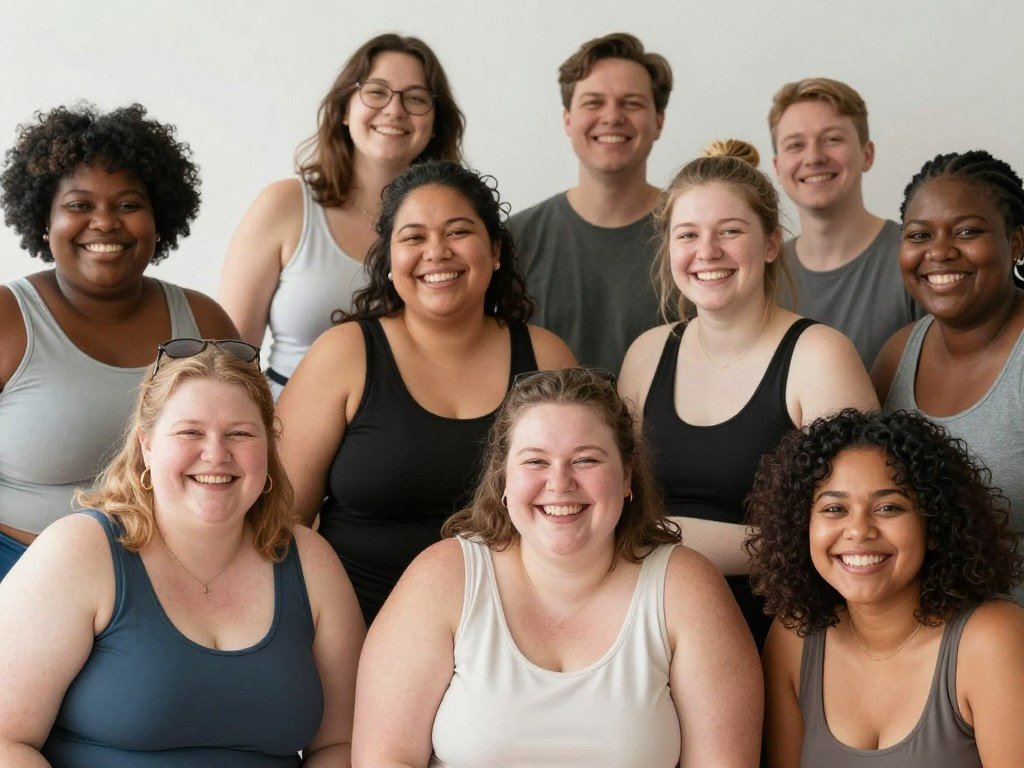
Long-term pride and satisfaction come from how we use our bodies to live, love, and contribute – not from achieving a particular weight or size. When we shift our focus from how our bodies look to what they enable us to do, we reclaim our power from the scale.
“The body is not an apology. It is a celebration, a wonder, a refuge, a home for the complex human story that you are.”

Reflection Exercise: Body Gratitude
Take a moment to write down three things your body allowed you to experience or accomplish today, regardless of its size or appearance. This simple practice can begin to shift your focus from how your body looks to what it enables in your life.
Environmental & Behavioral Healing
Our environment and habits can either reinforce or help dismantle the weight-worth equation. Making conscious changes to both can create space for a new relationship with your body to emerge.
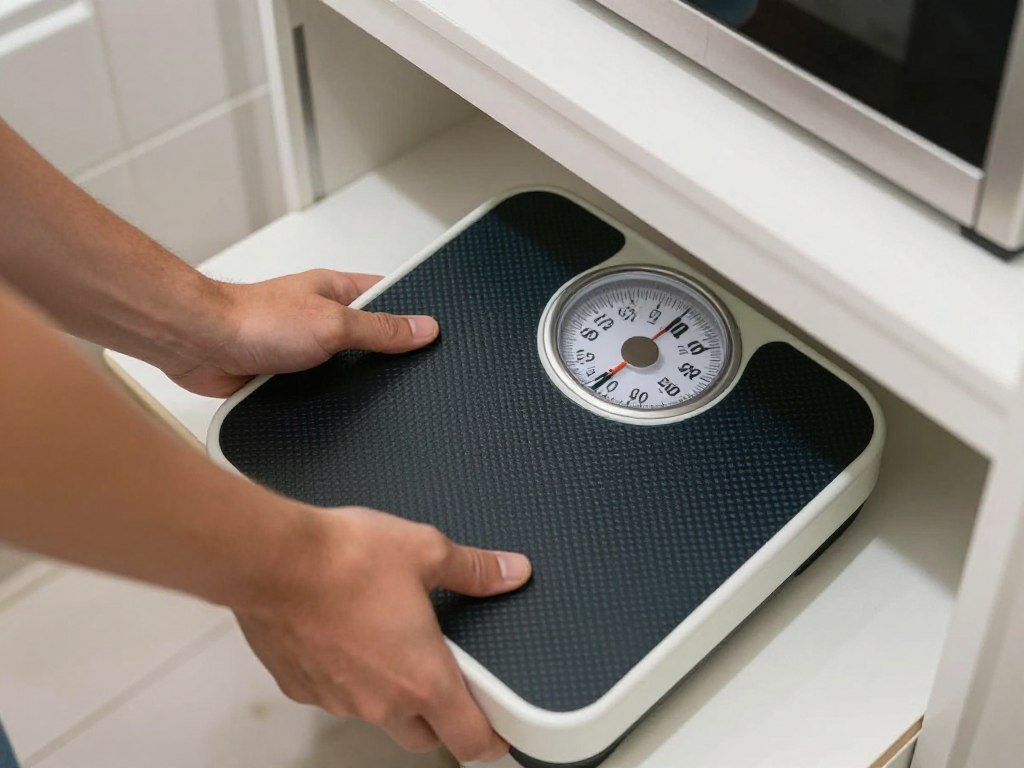
Reducing Scale Obsession
The bathroom scale is just a tool that measures one aspect of your physical body – your relationship to gravity. It cannot measure your kindness, your creativity, your resilience, or any quality that truly defines your worth.
Consider:
- Putting the scale away for a period of time
- Limiting weigh-ins to specific occasions if needed for medical reasons
- Asking yourself: “What am I hoping to learn from this number? Is there another way to gauge my wellbeing?”
Letting Go of Food Restrictions
When we label foods as “good” or “bad,” we create a moral framework around eating that often leads to guilt, shame, and disordered patterns. Food is simply fuel and pleasure – it has no moral value.
Signs of a Restrictive Mindset:
- Categorizing foods as “good/clean” or “bad/dirty”
- Feeling guilty after eating certain foods
- Compensating for “bad” foods with exercise or restriction
- Avoiding social situations that involve food
Steps Toward Food Freedom:
- Practice noticing hunger and fullness cues
- Allow all foods in moderation without judgment
- Focus on how foods make you feel physically and emotionally
- Approach eating with curiosity rather than rules

Curating Media Consumption
The images and messages we consume daily have a profound impact on how we see ourselves. Creating a media environment that celebrates diversity and challenges narrow beauty standards can help heal your relationship with your body.
Consider:
- Following social media accounts that feature diverse bodies and promote body acceptance
- Being mindful of how you feel after consuming certain media
- Taking breaks from platforms that trigger comparison or negative body image
- Seeking out books, films, and art that portray bodies of all sizes with dignity and respect

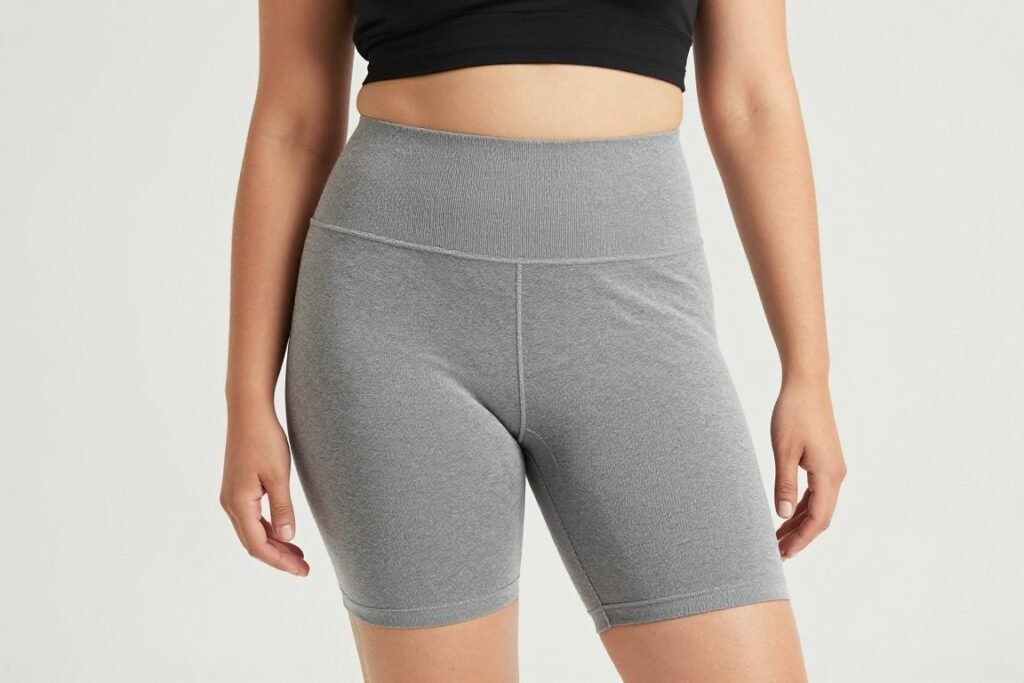
Dressing for Comfort and Joy
Many people deny themselves comfortable, beautiful clothing as punishment for not having their “ideal” body. Choosing to dress your current body with care and appreciation is a powerful act of self-respect.
“Wear the swimsuit. Take the trip. Eat the cake. Life is too short to wait until you’re a certain size to start living.”
Movement for Joy, Not Punishment
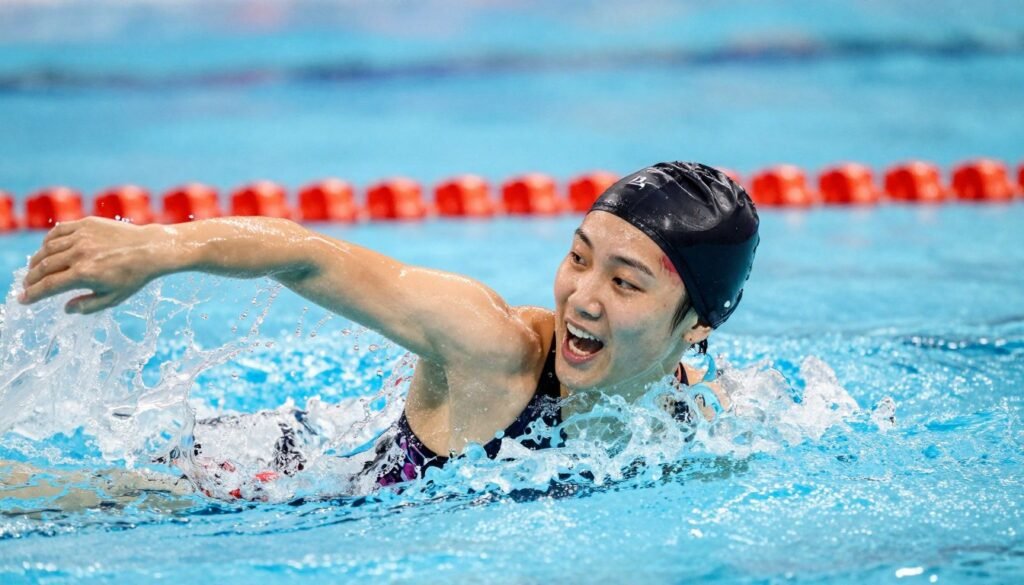
Exercise becomes sustainable and beneficial when we approach it as a celebration of what our bodies can do, rather than punishment for what we ate or how we look.
Reflection: Joyful Movement
What forms of movement did you enjoy as a child, before exercise became about weight? Dancing? Swimming? Bike riding? Hiking? Consider reintroducing these activities with a focus on pleasure rather than calorie-burning.
Self-Worth & Psychological Boundaries
As you work to separate your worth from your weight, developing strong psychological boundaries becomes essential. These boundaries help protect your evolving sense of self from external judgments and cultural messages.
Your Worth Is Not Up For Public Debate
Other people’s opinions about your body are reflections of their own beliefs, insecurities, and conditioning – not statements about your value. You have the right to define your worth on your own terms.
“What other people think of me is none of my business. What I think of myself means everything.”

The Temporary Nature of External Validation
Even if you could achieve the “perfect” body by society’s ever-changing standards, the validation and acceptance you might receive would be conditional and fleeting. True self-worth must come from within to be sustainable.
Remember:
- Beauty standards change dramatically across time and cultures
- External validation based on appearance is inherently unstable
- Bodies naturally change throughout life due to aging, pregnancy, health conditions, and other factors
- Basing your worth on something as changeable as your body creates perpetual insecurity

Your Relationship With Yourself
The relationship you have with yourself is the most important and enduring relationship in your life. It affects every other connection, decision, and experience. Cultivating kindness and respect in this relationship is the foundation of true wellbeing.
Daily Practice: Self-Worth Affirmation
Each morning, place a hand on your heart and remind yourself: “My worth is inherent. It exists before and beyond any number on a scale, any achievement, any relationship. I am valuable simply because I am.”

Breaking the Equation: A Lifelong Journey
Separating your worth from your weight is not a one-time decision but a practice that unfolds day by day. There will be moments of clarity and freedom, and times when old beliefs resurface. This is normal and part of the healing process.
Remember that you are not alone in this journey. Many people quietly struggle with the same equation, the same painful thoughts, the same cycle of hope and disappointment. But another way is possible – a way of living where your body is neither your enemy nor your project, but simply your home.
Your value is not measured. Your worth is not numerical. Your body is not a problem to be solved – it is a life to be lived. And that life is waiting for you, beyond the numbers, beyond the equation, in the freedom of knowing that you have always been enough, exactly as you are.
“The real difficulty is to overcome how you think about yourself.”