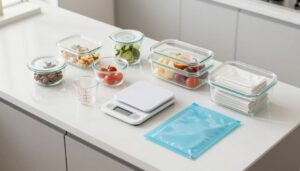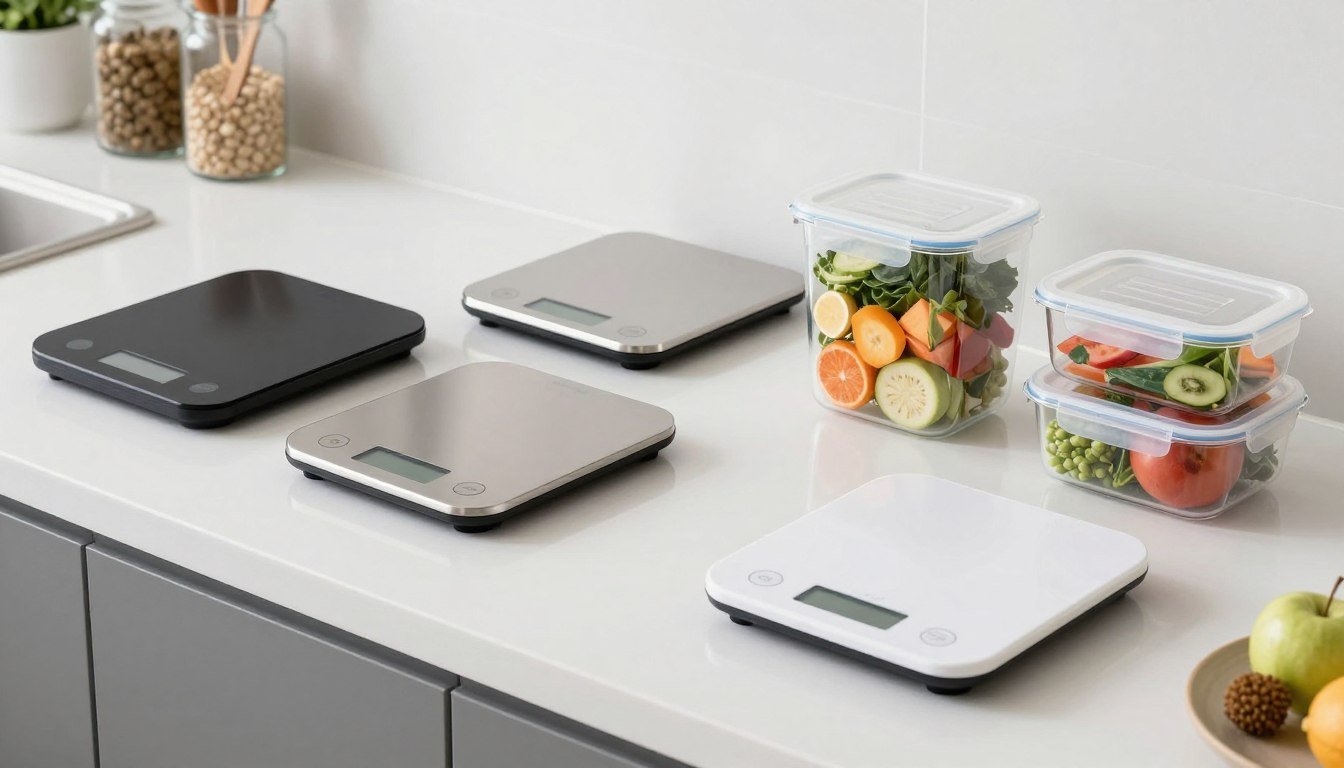
I tested dozens of digital kitchen scales over several months to find the most accurate, durable, and user-friendly options for portion control and meal prep. A kitchen scale is one of the simplest tools you can use to track calories and macros — and it makes consistent weight loss far easier than guessing portions.
Accurate portioning helps whether you’re counting macros, prepping meals for a busy week, or just trying to eat more mindfully; the right scale removes guesswork and keeps your tracking reliable.
As an Amazon Associate I earn from qualifying purchases.
Quick Picks: Best Kitchen Scales for Weight Loss
Escali Primo Digital Scale — a simple, accurate kitchen scale that’s ideal for daily portioning and tracking macros.
- Accurate to 1g / 0.05 oz (great for calorie and macro tracking)
- Simple two-button operation and sealed buttons for easy clean
- Long 4-minute auto-off so the scale won’t time out mid-prep
Etekcity Digital Kitchen Scale — a slim digital kitchen scale that slips into a drawer and still measures in grams and milliliters for precise portion control.
- Slim, lightweight design (easy to store in small kitchens)
- Measures in g / oz / ml / fl.oz — handy units for recipes and liquids
- Backlit display for clear readings in low light
OXO Good Grips Scale with Pull-Out Display — built for large bowls and batch cooking so you can see readings even with big containers on the platform.
- Pull-out display keeps the screen visible with large bowls
- Stainless steel platform is durable and easy to clean
- 11 lb / 5 kg capacity — plenty for most meal-prep bowls
Ozeri Pronto Digital Kitchen Scale — compact footprint and multiple color options make this a practical, stylish choice for tight counters or drawers.
- Compact footprint — easy to store
- Easy-to-read display and 1g / 0.05 oz increments
- Multiple color options to match kitchen design
My Weigh KD8000 Scale — a high-capacity, feature-rich option for batch cooks who need extra range and percentage weighing for recipes.
- High 17.6 lb / 8 kg capacity for large batches
- Percentage weighing feature for recipe scaling
- AC adapter option available (reduces need for AAA/AA batteries)
Kitchen Scale Comparison Table
Quick guide: “Units” shows the measurement options (grams and ounces are most useful for calorie and macro tracking); “Max Capacity” is important if you batch cook; “Features” highlights things that affect accuracy, cleaning, and ease of use (tare, sealed buttons, backlit display, pull-out display).
| Model | Best For | Max Capacity | Units | Features |
| Escali Primo | Overall use | 11 lb / 5 kg | g, oz, lb:oz | Accurate readings to 1 g, 4-min auto-off, sealed buttons (easy clean) |
| Etekcity Digital | Budget-conscious | 11 lb / 5 kg | g, oz, ml, fl.oz | Backlit display for clear readings, slim design, measures liquids (ml) |
| OXO Good Grips | Meal prep | 11 lb / 5 kg | g, oz, lb:oz, kg | Pull-out display keeps screen visible with large bowls, stainless steel platform |
| Ozeri Pronto | Small kitchens | 11 lb / 5 kg | g, oz, lb:oz, ml | Compact platform, precise 1 g increments, multiple colors |
| My Weigh KD8000 | Advanced users | 17.6 lb / 8 kg | g, oz, lb:oz, kg | Higher capacity for batch cooking, percentage weighing, AC adapter option |
| Amazon Basics | Basic needs | 11 lb / 5 kg | g, oz, ml, fl.oz | Simple interface, budget-friendly, accurate to 1 g |
What to Look for in a Kitchen Scale for Weight Loss
Accuracy
For weight loss and precise meal prep, accuracy matters — aim for a scale that measures to the nearest gram (1 g) or 0.1 ounce. At-home accuracy checks are simple: place a known weight (many US nickels weigh 5.00 g) or, better yet, a small calibration weight on the platform and confirm the reading. Most quality kitchen scales give reliable readings within 1–2 grams; higher-end models may report to 0.1 g for baking or very small-measure work.
Pro tip: If you’re tracking macros, use a calibration weight set for the most reliable tests — nickel tests are a quick check but calibration weights are more accurate.
Maximum Weight Capacity
Max capacity determines how much you can weigh at once. Most kitchen scales top out at around 11 pounds (5 kg), which is fine for single meals and many meal-prep bowls. If you batch cook large pans or weigh big bowls of ingredients, choose a higher-capacity scale (for example, the My Weigh KD8000 offers a 17.6 lb / 8 kg limit).
Measurement Units
Make sure the scale supports the units you use most: grams and ounces are essential for calorie and macro tracking. Useful additional units include pounds, kilograms, milliliters, and fluid ounces for liquid measurements. The ability to switch units quickly is helpful when following different recipes or logging food into apps.
Quick examples: 4 oz protein ≈ 113 g; 1 cup cooked rice ≈ 150–200 g (varies by grain and packing).
Platform Size
The platform size affects what you can weigh directly on the scale. A larger platform fits bowls and plates better and makes multi-ingredient taring easier; compact platforms save storage space. If you regularly weigh 2–3 cup mixing bowls, check the platform diameter in the product specs or choose a model with a pull-out display (so the screen stays visible when a large container sits on the platform).
Backlit Display
A backlit screen or bright display improves readability in dim light (early mornings or late-night meal prep). Clear, large digits reduce mistakes and speed up prep time — especially useful when you’re weighing multiple ingredients and need fast, accurate readings.
Auto-Off Function
Look for a sensible auto-off time so the scale won’t shut off mid-use. Many models turn off after 2 minutes; some (like the Escali Primo) offer a 4-minute auto-off which is more forgiving during recipe assembly. If you prefer no interruptions, consider a model with an AC adapter option.
Battery Life
Most digital kitchen scales use AAA or AA batteries. Expect typical battery life around 6–12 months with regular use; backlit displays will reduce that time. Some premium scales include rechargeable batteries or an AC adapter to avoid frequent battery changes.
Tare Function
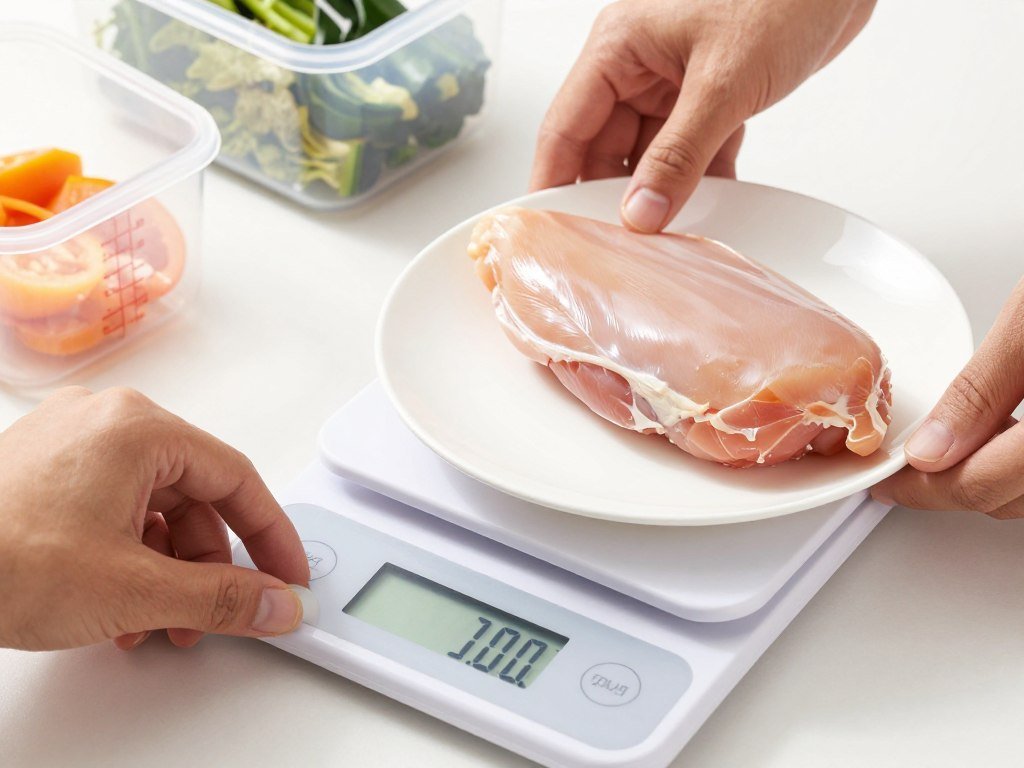
The tare (or zero) function is essential: place your empty bowl on the scale, press tare, and the display resets to zero so you only measure the food. Use the tare button between ingredients to measure multiple items in one bowl without doing extra dishes — a major time-saver for meal prep.
Easy to Clean
Hygiene matters when you’re weighing raw proteins and sticky ingredients. Scales with sealed buttons and smooth surfaces prevent food buildup and are easier to wipe clean. Stainless steel platforms or removable platforms are the easiest to sanitize compared with textured plastics.
Storage Size
If counter space is limited, choose a slim or compact scale that stores in a drawer or on a shelf. Some models offer wall-mounting or a smaller footprint that won’t eat up valuable prep space. Match the scale design to your kitchen layout so you’ll actually use it every day.
Extra features to consider
- Calibration option: Some scales allow manual calibration with calibration weights if readings drift over time.
- Units and functions: Look for quick unit-switching and a reliable tare button — both speed up measuring multiple ingredients.
- Platform design: Removable or flat stainless platforms are easiest to clean and maintain accurate readings.
Bottom line: for most people tracking weight and calories, a digital kitchen scale that reads to 1 g, offers grams/ounces units, has a sturdy platform and a reliable tare function will deliver the best combination of accuracy, convenience, and hygiene for meal prep.
How I Use a Scale for Fat Loss
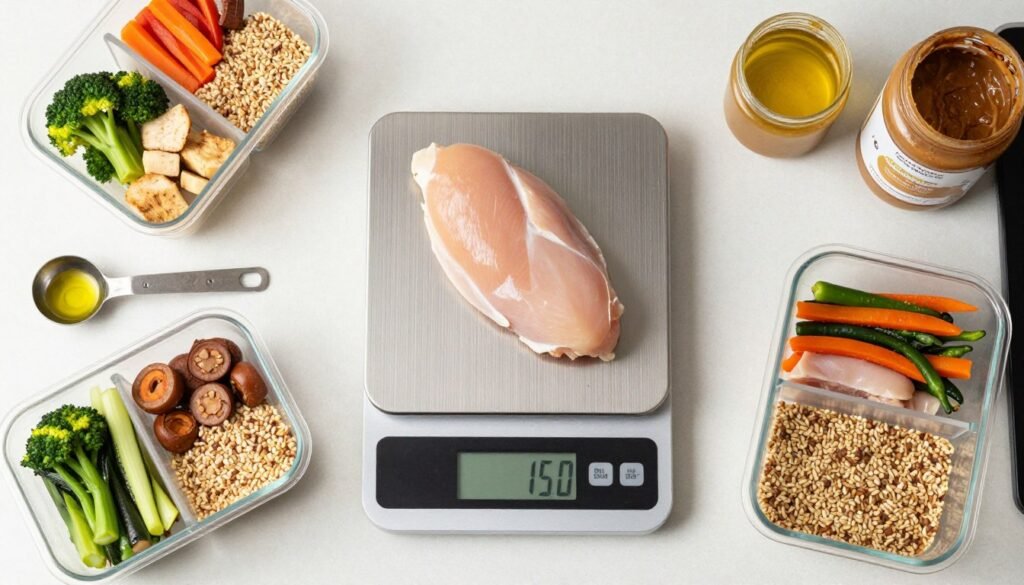
Protein Portions
Protein is the foundation of my meal-prep strategy for fat loss. I aim for roughly 4–6 ounces (113–170 g) of cooked protein per meal — a range that supports satiety and preserves lean mass while in a calorie deficit. Using a kitchen scale removes the guesswork: 4 oz (about 113 g) of cooked chicken breast typically contains ~120–130 kcal and ~24 g protein (variations depend on cooking method and exact cut). Weigh cooked portions when logging to match nutrition data in apps.
Carbs: Rice, Potatoes, and Grains
Carbohydrate portions are easy to over-serve, so I measure them precisely. Typical targets I use: 1/2 cup cooked rice ≈ 100–150 g (about 100 g is a common meal-prep portion), or 4 oz (113 g) for potatoes. The calorie difference between 1/2 cup and 3/4 cup cooked rice can be roughly 60–100 kcal depending on rice type — small differences that add up across meals. Tip: weigh cooked rice (not dry) because water absorption changes the gram weight dramatically.
Fats: Oils and Nut Butters
Because fats are calorie-dense, I weigh oils and nut butters to the gram. Typical portions I use: 5–10 g (about 1–2 teaspoons) of oil per serving and 15–20 g (≈1 tablespoon) of nut butter. For example, 10 g of olive oil is ~90 kcal — easy to underestimate if poured by eye. A digital kitchen scale with gram readings makes these small but impactful measurements reliable.
Snacks and Treats
I still enjoy treats, but I weigh them so they fit into my daily plan. Common snack portions I use: 1 oz (28 g) nuts or a 20 g piece of dark chocolate. Weighing keeps portions consistent and prevents the “handful” drift that sneaks extra calories into your day.
Quick portion-and-calorie reference
- 4 oz (113 g) cooked chicken breast ≈ 120–130 kcal, ~24 g protein
- 1/2 cup cooked rice ≈ 100–150 g ≈ 100–200 kcal (varies by grain)
- 1 medium potato (4 oz / 113 g cooked) ≈ 100–110 kcal
- 1 tbsp peanut butter ≈ 15–20 g ≈ 90–100 kcal
- 1 oz (28 g) mixed nuts ≈ 160–180 kcal
Weighing cooked vs. raw
Important: decide whether you’ll log raw or cooked weights and be consistent. Cooked foods often weigh more due to added water (e.g., 1 cup dried rice yields ~2–3 cups cooked). Many nutrition databases list raw and cooked entries separately — match your scale readings to the database entries you use for logging.
How to log quickly (beginner workflow)
- Place your bowl or plate on the scale and press the tare button to zero the display.
- Add the first ingredient, note the grams/oz, and log into your app (search by weight in grams if possible).
- Press tare again, add the next ingredient, repeat. This avoids multiple dishes and speeds meal prep.
- If you batch-cook, weigh full container portions and divide by number of servings to get per-meal weights.
Ready to take control of your portions?
A reliable digital kitchen scale makes consistent tracking simple — and consistent tracking is what leads to predictable weight loss. Choose a scale with clear readings, grams/ounces units, and a dependable tare button so you can measure quickly.
[Check price on Amazon – Escali Primo Digital Scale](AMAZON_LINK_PLACEHOLDER)
Best Kitchen Scales by Budget
Best Kitchen Scales Under $15
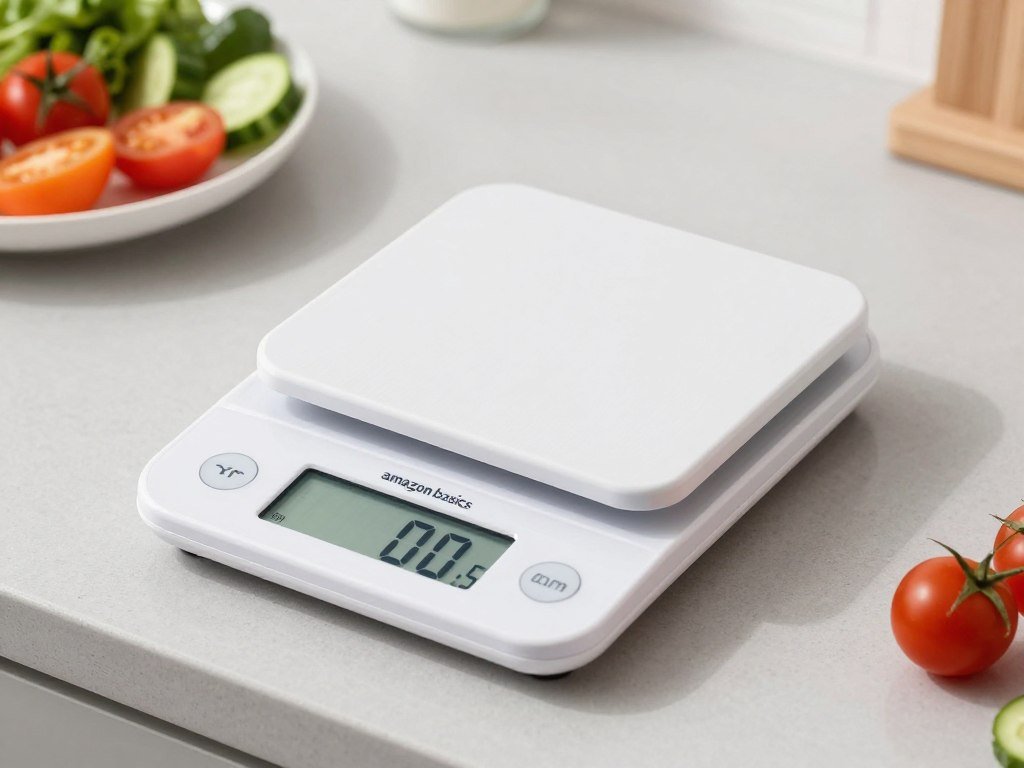
Amazon Basics Digital Kitchen Scale
Who it’s for: Budget-conscious beginners who want a reliable, no-frills kitchen scale for basic meal prep and portion control.
Why it wins: This simple food scale delivers accurate gram and ounce measurements at a very low price — perfect if you’re starting to track portions and don’t need extra features.
Pros
- Accurate to 1 g / 0.1 oz — good for logging ingredients and calories
- Compact design fits in a drawer or small cabinet
- Easy two-button operation for quick tare and unit switching
Cons
- Short 2-minute auto-off — can time out during longer prep sessions
Typical price range: very budget-friendly (check current price and availability).
[Check price on Amazon – Amazon Basics Digital Kitchen Scale](AMAZON_LINK_PLACEHOLDER)
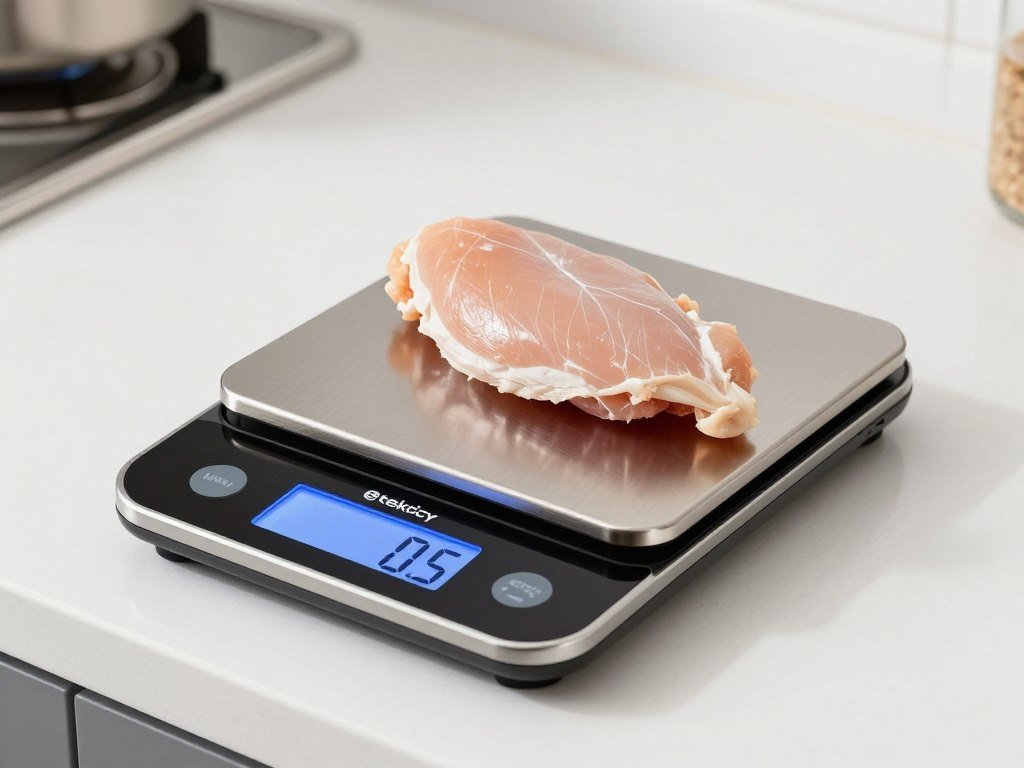
Etekcity Digital Kitchen Scale
Who it’s for: Weight-conscious cooks with limited kitchen space who want a slim digital kitchen scale that measures both solids and liquids.
Why it wins: The ultra-slim design stores easily in a drawer, yet it measures in grams, ounces, milliliters, and fluid ounces — handy for recipes and accurate portion control.
Pros
- Backlit display for clear readings, even in low light
- Ultra-slim (less than 0.75″ thick) — great for small kitchens
- Measures in g / oz / ml / fl.oz — versatile units for food and liquids
Cons
- Exposed buttons can trap food — some cleaning care required
Typical price range: low-cost to budget-friendly; great value for compact design.
Cleaning tip: Wipe sealed areas with a damp cloth and use a soft brush for crevices; avoid submerging in water. See the Buying Guide for more on easy clean features.
[Check price on Amazon – Etekcity Digital Kitchen Scale](AMAZON_LINK_PLACEHOLDER)
Best Kitchen Scales $15-$30
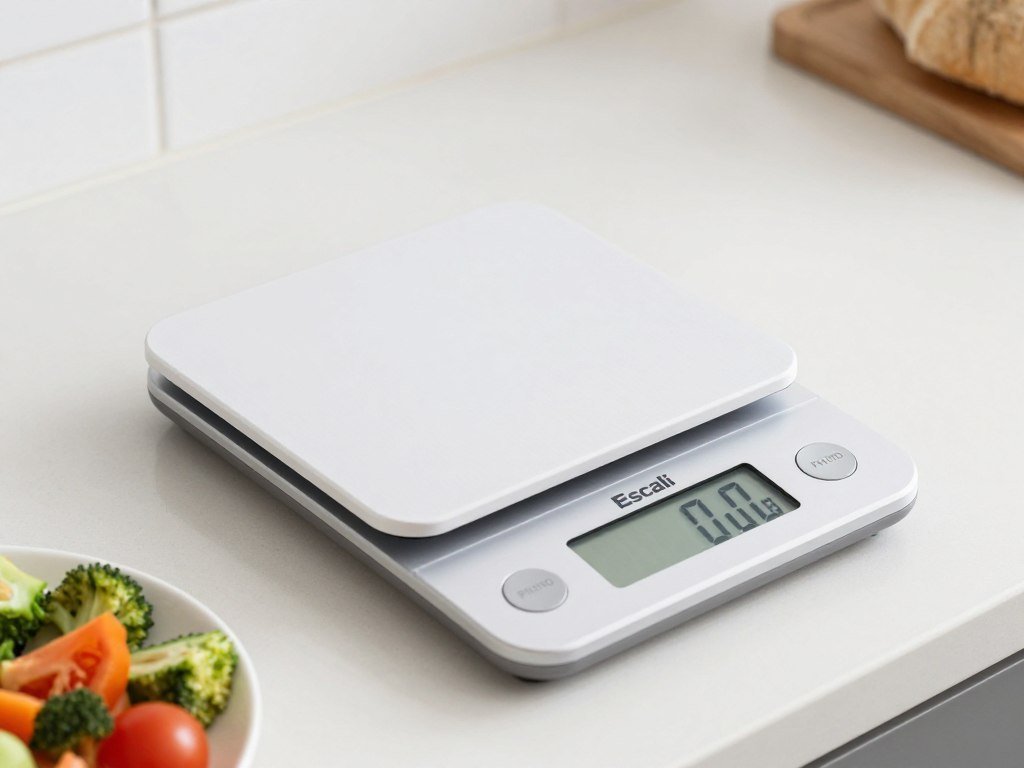
Escali Primo Digital Scale
Who it’s for: Serious meal preppers who want a dependable, easy-to-use kitchen scale for daily portioning.
Why it wins: The Escali Primo balances simplicity, accuracy, and hygiene: sealed buttons, a clear display, and a longer auto-off time make it ideal for extended meal-prep sessions.
Pros
- 4-minute auto-off — less chance of the scale shutting off mid-prep
- Sealed buttons for easier cleaning and hygiene
- Available in multiple colors to match kitchen design
Cons
- No backlit display on some models
Typical price range: mid-range — a small step up for daily convenience and durability.
[Check price on Amazon – Escali Primo Digital Scale](AMAZON_LINK_PLACEHOLDER)
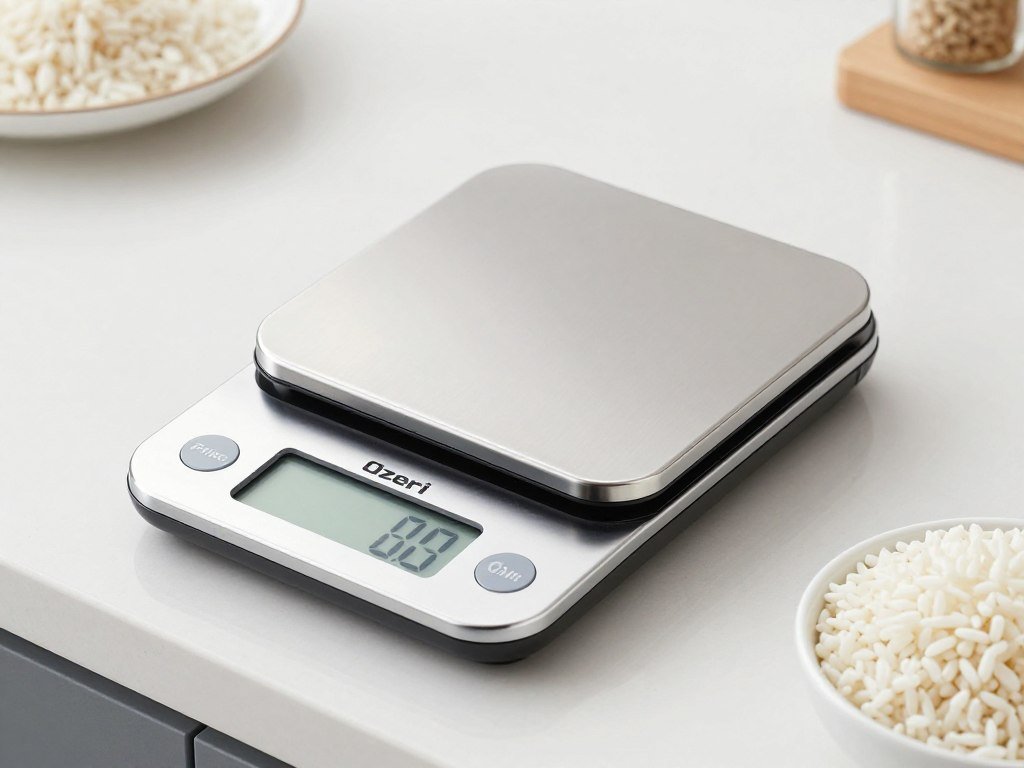
Ozeri Pronto Digital Kitchen Scale
Who it’s for: Cooks who want reliable precision with a compact footprint and a touch of style.
Why it wins: The Ozeri Pronto offers 1 g increments in a compact, colorful design — a good fit for small kitchens where you still want accurate measurements.
Pros
- Available in 8+ color options to match kitchen decor
- Precise 1 g / 0.05 oz increments for accurate readings
- Compact footprint — easy to store in drawers or cabinets
Cons
- 2-minute auto-off may be too short for some multi-step recipes
Typical price range: affordable mid-tier with good accuracy for daily use.
[Check price on Amazon – Ozeri Pronto Digital Kitchen Scale](AMAZON_LINK_PLACEHOLDER)
Best Kitchen Scales $30+

OXO Good Grips Scale with Pull-Out Display
Who it’s for: Batch cookers and serious meal preppers who use large bowls and need a visible screen during weighing.
Why it wins: The pull-out display ensures you can read measurements even with large bowls on the platform; a stainless steel platform makes cleanup fast and reliable.
Pros
- Pull-out display keeps the screen visible when using big containers
- Stainless steel platform is durable and easy to clean
- Zero/tare function for measuring multiple ingredients in one bowl
Cons
- Larger footprint requires more storage space
Typical price range: premium — best if you frequently weigh large bowls or batch-cook.
[Check price on Amazon – OXO Good Grips Scale](AMAZON_LINK_PLACEHOLDER)
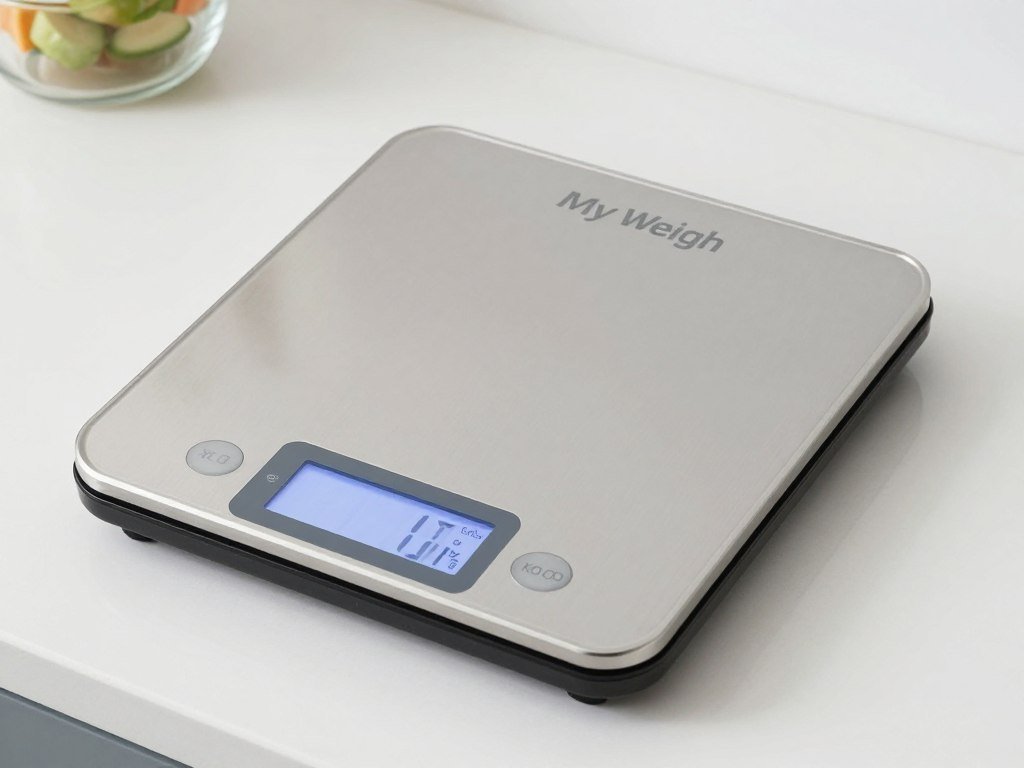
My Weigh KD8000 Scale
Who it’s for: Advanced users and builders of large meal-prep batches who need extra capacity and advanced functions.
Why it wins: With a 17.6 lb / 8 kg capacity, percentage weighing for recipe scaling, and an optional AC adapter, this scale supports large-batch cooks and eliminates frequent battery swaps.
Pros
- High 17.6 lb / 8 kg capacity for big batches
- Percentage weighing feature useful for portioning and recipes
- Optional AC adapter reduces reliance on AAA/AA batteries
Cons
- Larger size requires more storage and counter space
Typical price range: higher-end — worth it if you routinely batch-cook for the week.
[Check price on Amazon – My Weigh KD8000 Scale](AMAZON_LINK_PLACEHOLDER)
Frequently Asked Questions
Why is a kitchen scale better than measuring cups for weight loss?
A kitchen scale provides far more accurate measurements than measuring cups, which matters when you’re tracking calories and macros. A “cup” of flour can range from ~120–150 g depending on how it’s scooped, and that variance adds up across meals. Use a food scale to weigh ingredients in grams or ounces for consistent readings and easier logging — it also simplifies measuring oddly shaped items like pieces of meat or handfuls of nuts, and reduces dirty dishes.
How accurate are digital kitchen scales?
Most quality digital kitchen scales are accurate to within 1–2 grams (about 0.1 oz), which is more than sufficient for meal prep and weight-loss tracking. Some premium models read to 0.1 g for precision baking or micro-portioning. Quick home accuracy check: place a known small weight (a US nickel ~5.00 g) or, better, a calibration weight on the platform and confirm the reading; if the scale is off, follow the manufacturer’s calibration steps.
How do I use the tare function on a kitchen scale?
Using tare (the zero button) is straightforward: place your empty bowl or container on the scale and press the tare button to reset the display to zero. Add your ingredient, read the grams or ounces, then press tare again if you want to measure another ingredient in the same bowl. This saves time and dishes when measuring multiple ingredients for a recipe or meal prep.
How long do batteries last in a digital kitchen scale?
Battery life varies by model and usage. Expect about 6–12 months with regular home use; scales with backlit displays or more frequent use will drain batteries faster. Many scales use AAA or AA batteries; some higher-end models offer rechargeable batteries or an AC adapter to avoid frequent replacements. Always check the manufacturer’s specs for expected battery life.
Can I weigh liquids on a kitchen scale?
Yes. For water-based liquids, 1 milliliter ≈ 1 gram, so weighing in grams is a quick way to measure volume. Many scales include ml and fl.oz units for liquids. For oils and other non-water liquids the density differs slightly, but a scale still gives a more accurate calorie-based measurement than volume measures.
How do I clean my kitchen scale?
Most digital scales aren’t waterproof — don’t submerge them. Wipe the platform and surface with a damp cloth and mild soap when needed. Scales with sealed buttons and stainless steel platforms are easiest to clean and less likely to trap food bits. If your model has a removable platform, wash that piece separately. Always follow the manufacturer’s cleaning instructions to avoid damaging the screen or electronics.
What’s the difference between cheap and expensive kitchen scales?
The main differences are build quality, materials, and extra features. More expensive scales often have larger platforms, better screens, longer auto-off times, higher max capacity, finer precision (down to 0.1 g), and options like percentage weighing or AC adapters. Budget-friendly scales usually match premium models on basic accuracy (1 g) but may skimp on display size, platform design, or long-term durability. Choose based on how you’ll use the scale — frequent batch cooking may justify a higher-capacity model, while everyday portioning can be well-served by an inexpensive, accurate unit.
My scale is unstable or giving weird readings — what should I do?
Troubleshooting steps: 1) Place the scale on a hard, level surface (not a soft countertop); 2) Make sure there’s nothing touching the scale (no air drafts, cords, or surfaces); 3) Replace or recharge the batteries; 4) Recalibrate using manufacturer instructions or calibration weights if available; 5) If readings remain inconsistent, contact the manufacturer for support or consider a replacement.
Which Kitchen Scale is Right for Your Weight Loss Journey?
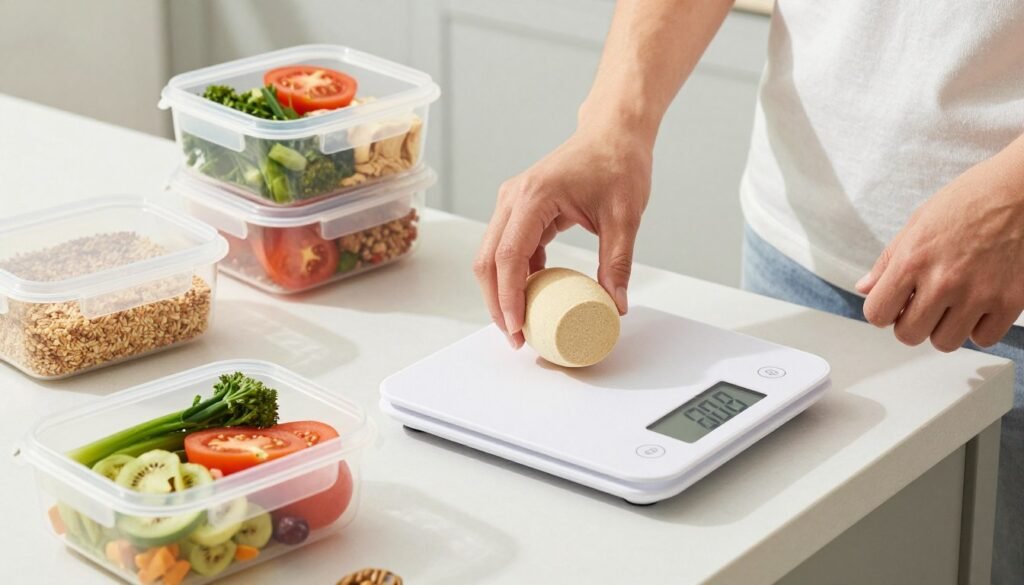
After testing numerous kitchen scales and using them during my own weight-loss-focused meal prep, here’s straightforward advice to match the right scale to how you cook and track food.
- If you want the best all-around scale for weight loss and meal prep, choose the Escali Primo. Its reliable readings, sealed buttons, and longer auto-off time make it a durable, low-fuss choice for daily use.
- If you’re on a tight budget but still need accurate measurements, choose the Etekcity Digital Kitchen Scale or the Amazon Basics food scale — both give solid gram/ounce accuracy at a low price point.
- If you regularly meal prep with large bowls or containers, choose the OXO Good Grips Scale with Pull-Out Display. The pull-out display keeps the screen visible even with big bowls on the platform, which speeds up batch cooking.
- If counter or drawer space is limited, choose the Ozeri Pronto. Its compact footprint and colorful designs make it easy to store and use daily.
- If you batch cook often or need advanced features (percentage weighing, extra capacity), choose the My Weigh KD8000. The higher 17.6 lb / 8 kg capacity and AC adapter option make it ideal for heavy use.
Remember: the best kitchen scale is the one you actually use consistently. For weight-loss goals, prioritize accuracy (grams/ounces), a dependable tare function, and a platform size that fits your typical bowls — those factors matter more than bells and whistles.
Ready to take control of your portions?
A good digital kitchen scale removes guesswork and helps you stay consistent with your nutrition plan. Click a link below to view current prices, read the latest reviews, and pick the best kitchen scale for your needs.
Quick links: Quick Picks | Comparison Table | Buying Guide | Budget Picks | FAQs
Disclaimer: This content is for informational purposes only and is not medical advice. Always consult a qualified healthcare professional before making changes to your diet, exercise, or supplement routine.
Affiliate Disclosure: This post may contain affiliate links. As an Amazon Associate I earn from qualifying purchases. If you click and buy, I may earn a commission at no extra cost to you.