
Disclosure: This post contains affiliate links. If you click through and make a purchase, I may receive a commission at no additional cost to you. I only recommend products I truly believe will add value to your health journey.
You wake up on Day 3 of your keto diet feeling like you’ve been hit by a truck. Your head pounds. Your muscles ache. The kitchen calls your name with visions of bread and pasta dancing in your mind. This, my friend, is the infamous keto flu – and it’s the reason many people abandon their ketogenic journey before seeing results.
But here’s the truth: it’s not the diet that’s failing you. It’s the one-size-fits-all approach that doesn’t account for YOUR unique body chemistry.
The dreaded “Day 3” of keto can leave you feeling exhausted and craving carbs
Why Keto Flu Hits So Hard (And Why It’s Not Your Fault)
When you drastically cut carbs, your body undergoes a major metabolic shift. It’s switching fuel sources – from burning glucose (sugar) to burning ketones (fat). This transition doesn’t happen instantly, and your body protests the change.
The keto flu isn’t a virus or infection. It’s a collection of symptoms that occur as your body adapts to this new way of eating. These symptoms typically appear within the first few days of starting a ketogenic diet and can include:
- Headaches
- Fatigue and weakness
- Irritability
- Difficulty focusing (“brain fog”)
- Muscle cramps
- Nausea
- Dizziness
- Intense carb cravings
- Sleep issues
- Stomach discomfort
The problem isn’t that you’re doing keto wrong. The problem is that your body has specific needs that generic keto plans don’t address.
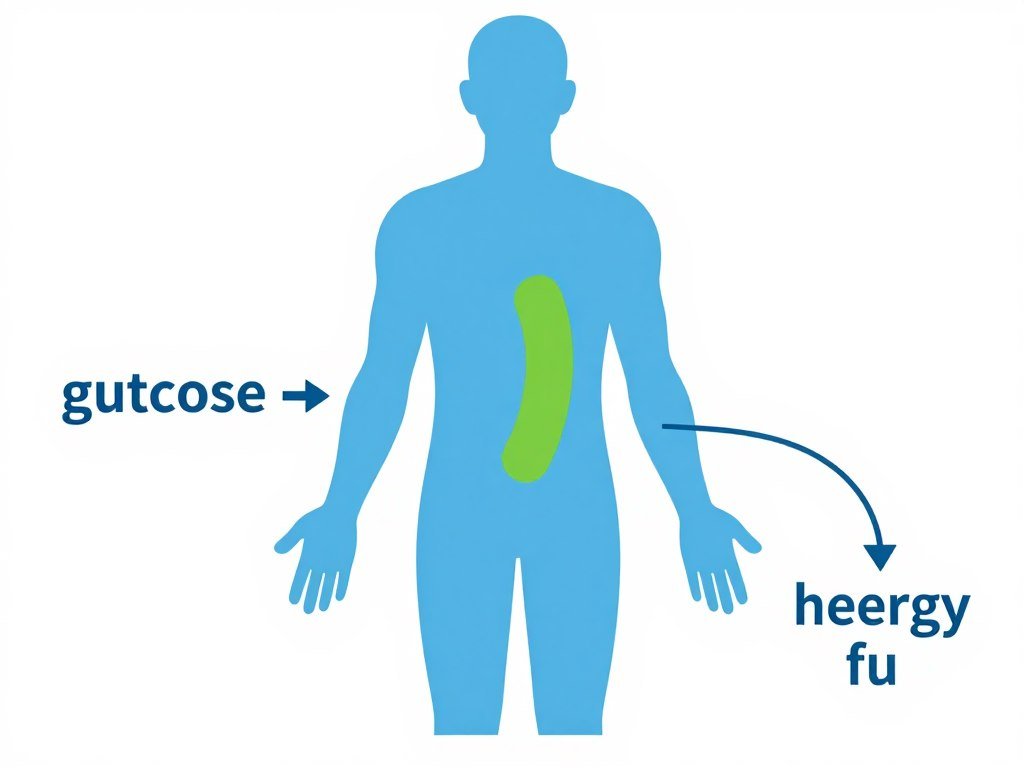
The metabolic transition that causes keto flu symptoms
The 3-Day Custom Fix: Stop Keto Flu Before It Stops You
You don’t have to suffer through keto flu. With the right approach, you can dramatically reduce or even eliminate these symptoms in just three days. Here’s how:
Day 1: Hydration & Electrolytes – The Non-Negotiable First Step
When you cut carbs, your body sheds water and essential minerals. This is the primary cause of most keto flu symptoms. The fix is simple but specific:
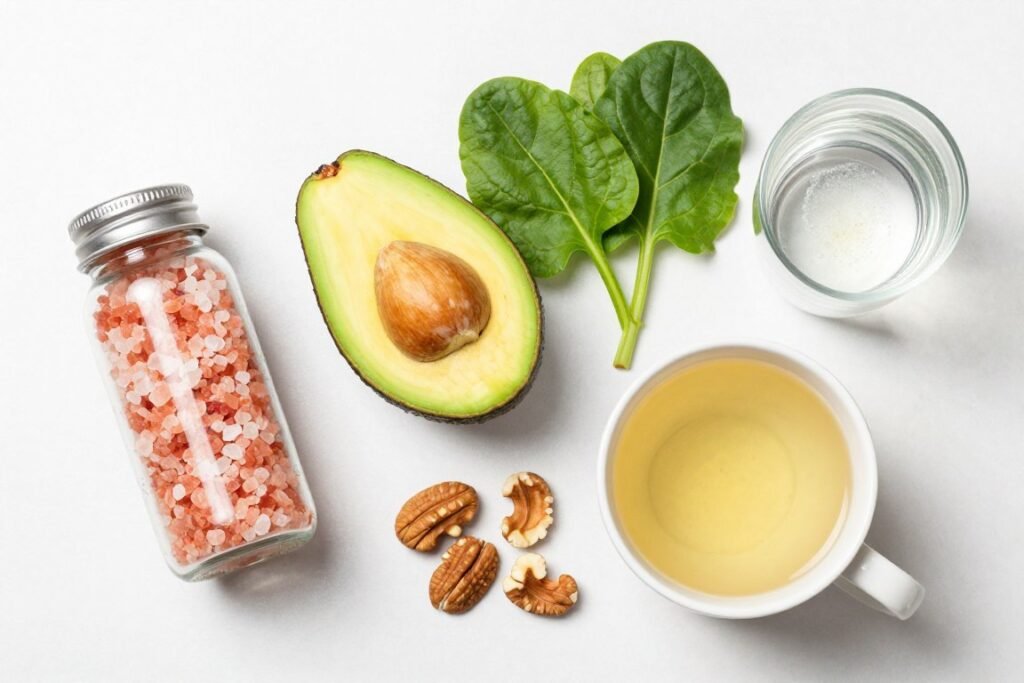
Replenishing electrolytes is crucial for preventing keto flu
“The single most effective remedy for keto flu is proper electrolyte balance. Most people focus only on drinking water but forget the minerals their body is rapidly losing.”
Your Day 1 Action Plan:
- Sodium: Add ½ teaspoon of salt to a large glass of water 2-3 times daily. Pink Himalayan or sea salt works best.
- Potassium: Eat avocados, leafy greens, and mushrooms. Consider a low-carb electrolyte supplement if symptoms are severe.
- Magnesium: Add magnesium-rich foods like pumpkin seeds, almonds, and spinach to your meals.
- Water: Drink at least 2.5-3 liters throughout the day, but not all at once.
Quick Fix: When a headache or fatigue hits, drink a glass of water with ½ teaspoon of salt and a squeeze of lemon. Many people feel relief within 15-30 minutes.
Day 2: Don’t Fear the Fat – Your New Energy Source
Many keto beginners don’t eat enough fat. They cut carbs but don’t replace those calories with healthy fats. This creates an energy crisis in your body, making keto flu symptoms worse and triggering intense cravings.
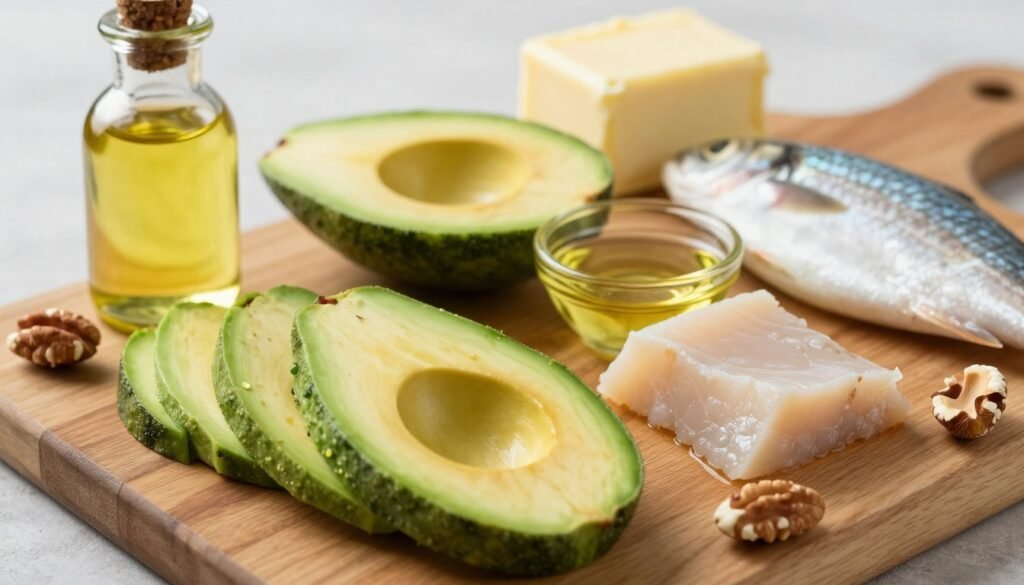
Healthy fats are your primary fuel source on a ketogenic diet
Your Day 2 Action Plan:
- Add 1-2 tablespoons of healthy fats to each meal (olive oil, coconut oil, butter, avocado)
- Don’t worry about calories during these first few days
- Include fatty proteins like salmon, eggs, and grass-fed beef
- Try bulletproof coffee or tea with butter and MCT oil for sustained energy
When you provide your body with adequate fat, it learns to use this new fuel source more efficiently. This reduces cravings and provides steady energy throughout the day.
Day 3: Personalize Your Approach – The Secret Sauce
By Day 3, your body is beginning to adapt, but this is where personalization becomes crucial. Everyone’s metabolism, activity level, and nutrient needs are different. What works for a fitness influencer or your keto friend might not work for you.

Personalizing your keto approach based on your unique needs
The most successful keto dieters adjust their approach based on their:
- Metabolic rate and activity level
- Genetic factors that affect fat metabolism
- Existing health conditions
- Specific nutrient deficiencies
- Personal food preferences and lifestyle
Stop Guessing What Will Work For YOUR Body
Find out exactly what YOUR body needs with our 2-minute Custom Keto Quiz. Get a personalized plan that eliminates keto flu symptoms and helps you reach your goals faster.
Common Mistakes That Make Keto Flu Worse
Even with the best intentions, many people inadvertently make their keto flu symptoms worse. Avoid these common pitfalls:
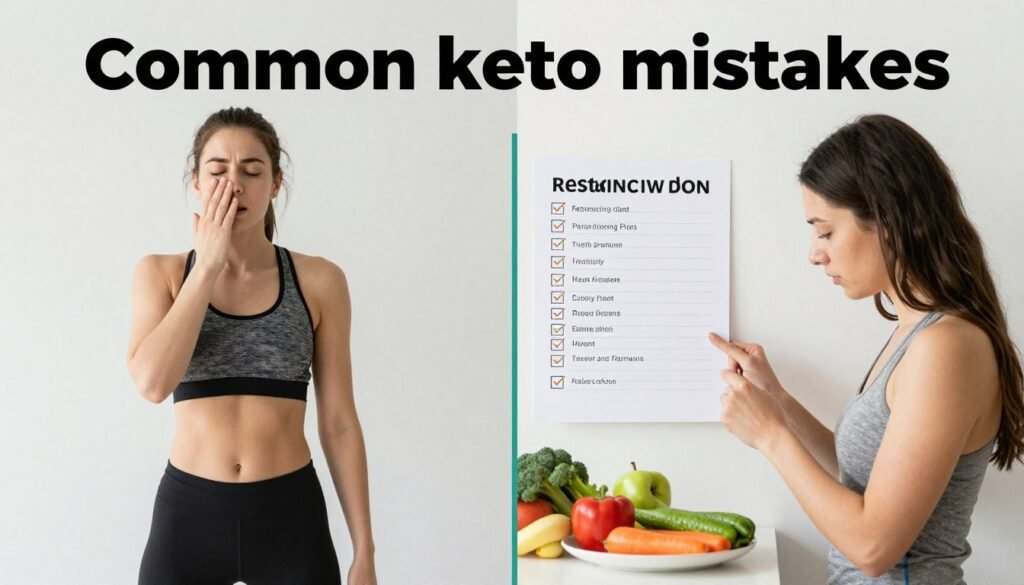
Avoiding these mistakes can significantly reduce keto flu severity
What Helps
- Gradual carb reduction if symptoms are severe
- Light activity like walking or gentle yoga
- Getting adequate sleep (7-9 hours)
- Eating when hungry during adaptation
- Bone broth for electrolytes and comfort
What Hurts
- Intense exercise during the first week
- Restricting calories too severely
- Focusing only on protein, not fat
- Ignoring electrolyte replacement
- Comparing your progress to others
The Science Behind Keto Adaptation
Understanding what’s happening in your body can help you navigate the keto transition more effectively. Here’s what the research tells us:
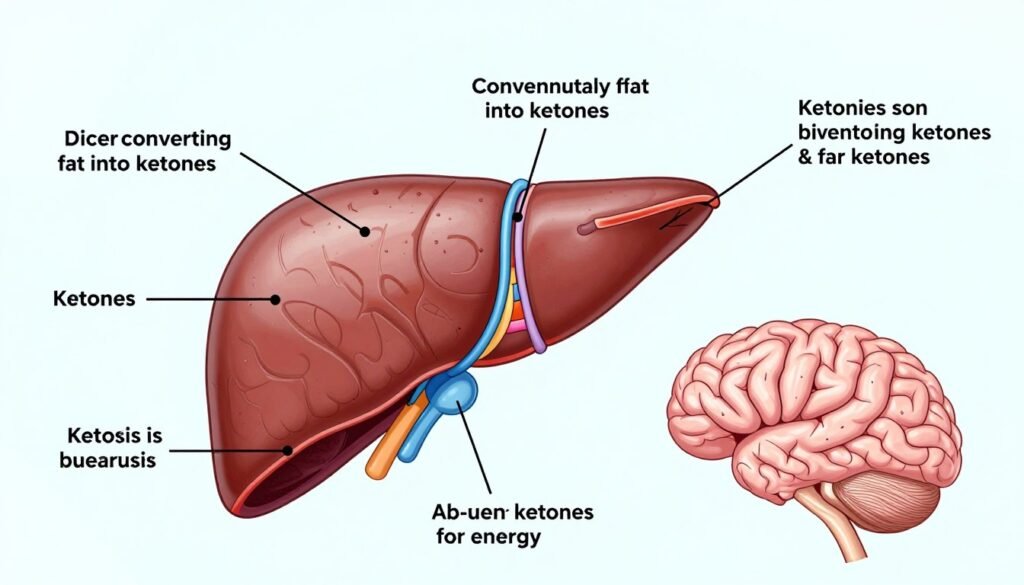
The metabolic process of ketosis and adaptation
- Insulin Reduction: Lower insulin levels signal your kidneys to excrete more sodium, causing electrolyte imbalance.
- Glycogen Depletion: Your body uses up stored glycogen, releasing water and causing initial rapid weight loss.
- Enzyme Adaptation: Your body needs time to increase the enzymes that process fat for fuel.
- Brain Adaptation: Your brain gradually shifts from glucose to ketones for energy, causing temporary “brain fog.”
Most people fully adapt to ketosis within 2-4 weeks, but the worst symptoms typically occur in the first week. With proper support, your body can make this transition much more smoothly.
Real Experiences: Before and After the Custom Fix

Sarah’s Experience
“I tried keto three times and quit each time because the headaches and fatigue were unbearable. After getting a personalized plan that adjusted my electrolytes and fat intake specifically for my needs, I sailed through Day 3 with minimal symptoms. By Day 5, I had more energy than before starting keto!”

Michael’s Experience
“As someone who exercises regularly, my first attempt at keto left me completely drained. I couldn’t even complete my normal workouts. With a customized approach that accounted for my activity level, I was able to maintain my exercise routine while adapting to keto. The personalized electrolyte protocol made all the difference.”

The difference a customized approach makes to energy levels during keto adaptation
Frequently Asked Questions About Keto Flu
How long does keto flu typically last?
Is keto flu dangerous?
Can I exercise during keto flu?
Do I need to count calories during the first week of keto?
Your Custom Path Forward: Beyond the Keto Flu
The keto flu doesn’t have to be your roadblock to success. With the right personalized approach, you can minimize or even eliminate these uncomfortable symptoms and start experiencing the benefits of ketosis faster.
Remember that your body is unique. What works for others may not work for you. The key to keto success isn’t following a generic plan – it’s understanding your specific needs and adjusting accordingly.

The reward of proper keto adaptation: increased energy, mental clarity, and metabolic health
Ready to stop guessing and start a keto plan that’s designed specifically for YOUR body?
Get Your Personalized Keto Plan
Take our 2-minute quiz to discover exactly what YOUR body needs to avoid keto flu and achieve your health goals faster.